Small Parts Manufacturing from Natural Leather and Fabrics

Material selection and properties

Natural leather has a non-uniform structure, therefore its thickness, surface treatment, and elasticity are important factors in small parts manufacturing. Laser cutting allows achieving precise contours even in complex shapes, while the cut edges are usually slightly darkened due to thermal effects. This is considered a natural characteristic of laser processing and is often even valued as an aesthetic effect.
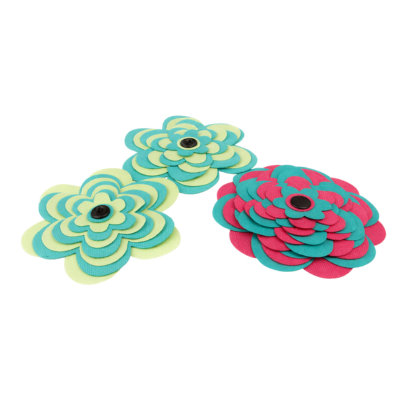
Fabrics, especially synthetic or blended ones, have an advantage during laser cutting – the cut edges can be “sealed,” preventing fraying or unraveling. This allows the production of very small elements for applications, decorative details, or textile components.

What you need to know in advance

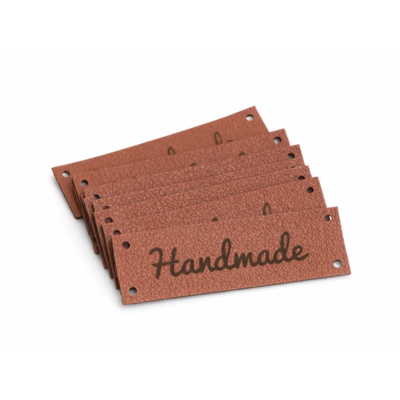
When manufacturing small parts from natural leather, it is important to consider that leather does not have uniform thickness across the entire surface – this can affect the appearance of the cut in very fine areas. It is also important to note that some very soft or oily leathers may require test cutting to select appropriate parameters.
In the case of fabrics, material composition must be evaluated. Natural fabrics (e.g., cotton, linen) may darken more when laser cut, and very thin fabrics may deform due to heat. If the parts are critical or must fit together precisely, test cutting and design verification are recommended.

Do you have questions or are you ready to place an order?

If you have a file or would like to consult about plywood thickness and cutting possibilities, please submit an inquiry. We will evaluate the project and offer the most suitable solution.