Small Parts Manufacturing from Acrylic and Nylon

Material selection and properties

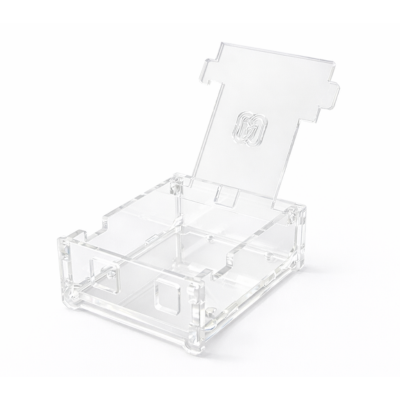
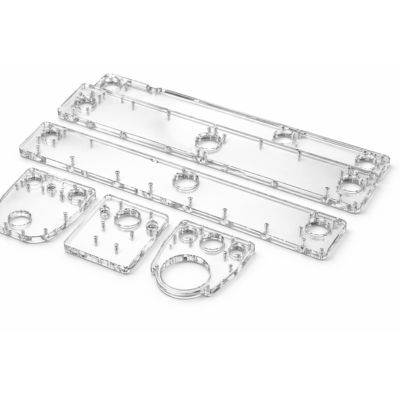
Acrylic (PMMA) is valued in small parts manufacturing because laser cutting allows achieving extremely sharp contours and minimal deviation in cut width. In practice, it is important to distinguish the type of acrylic: cast acrylic is better suited for very small parts, as the cut edges are more uniform, while extruded acrylic is more sensitive to heat and may require larger spacing between elements.
Nylon is used for small technical parts where not only shape but also mechanical properties are important. It is not as brittle as acrylic, but it reacts more to heat during laser processing—the cut edges may be slightly softer, which is why nylon is more often chosen for functional rather than highly decorative small parts.

What you need to know in advance

When designing small parts from acrylic, it is essential to consider the minimum wall thickness, as overly thin elements may break after production even if the cutting itself is precise. It is also important to know that very dense cuts close to each other can cause localized material overheating.
In the case of nylon, the main consideration is thermal behavior. In very small areas, the part may slightly deform during cutting, so design adjustments or test cutting are often recommended. If the parts are critical or must fit together precisely, a test cut is almost always the best solution.

Do you have questions or are you ready to place an order?

If you have a file or are considering whether acrylic or nylon is more suitable for your small parts, please submit an inquiry. We will evaluate the design and propose the most technically suitable solution.